
Building a Traceable OEM / ODM Workflow
A practical guide to building a traceable hygiene product OEM and ODM workflow from requirements and samples to quality control and global delivery.

What buyers need to know
A traceable OEM or ODM workflow gives every product requirement, material decision, sample approval, production record, inspection result and change request a clear version and responsible owner. This reduces misunderstandings and helps buyers reproduce an approved product across repeat orders.
1. Convert the commercial idea into a written product brief
The project brief should define the target consumer, destination market, product type, dimensions, absorbency, materials, packaging, compliance documents, order quantity and delivery expectations. Requirements that remain only in chat messages are difficult to control. A single approved brief should become the reference for R&D, quotation, sampling and production.
2. Control specifications and sample versions
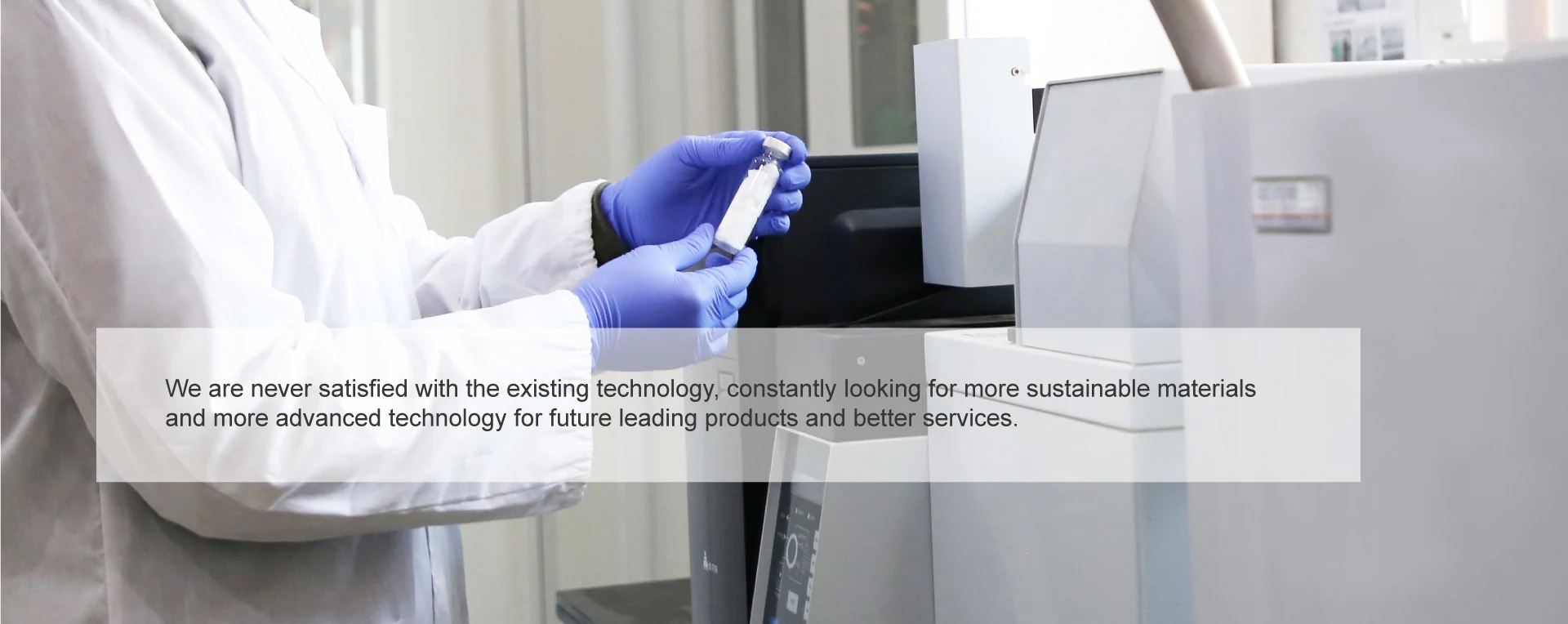
Each sample should have a clear code, date and specification version. Feedback should identify what changed and why. Once performance, fit and packaging are accepted, the approved sample and specification become the production reference, often called the golden sample.
- Record the bill of materials and key dimensions.
- Identify artwork and packaging versions.
- Document test methods and acceptance limits.
- Require written approval before mass production.
3. Connect incoming materials to production batches
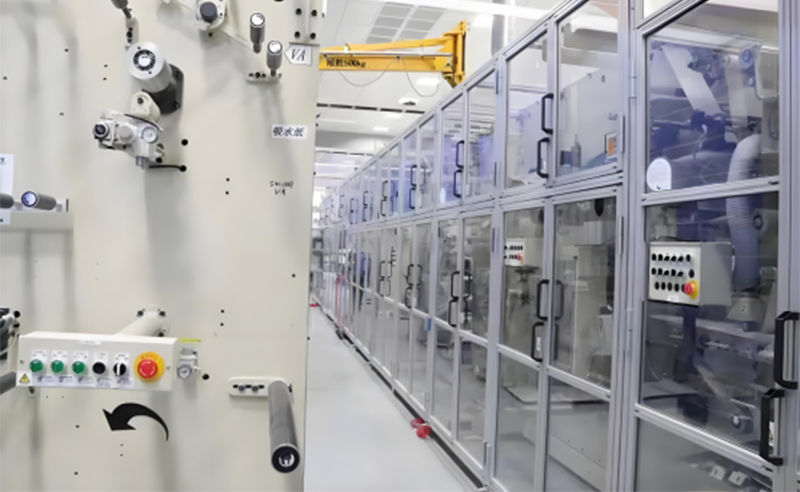
Traceability should continue through raw material receiving, line setup and production. Lot numbers and inspection records make it possible to investigate variation and confirm which inputs were used for a finished batch. In-process checks should focus on the critical characteristics defined during product approval.
4. Keep quality and change records together
Final inspection reports, laboratory results, packaging checks and loading information should be linked to the order or batch. If a material, dimension or process must change, the effect should be reviewed and approved before implementation. Uncontrolled substitutions create risk for performance, compliance and repeat-order consistency.
5. Use one accountable coordination route
Goooing coordinates material sourcing, product R&D, manufacturing, quality control and global delivery through an integrated hygiene supply chain. For international buyers, this creates a clearer route for decisions and records across baby care, feminine care, adult care, pet care and related hygiene projects.
Frequently Asked Questions
What is the difference between hygiene product OEM and ODM?
OEM usually follows a buyer-defined specification or brand requirement. ODM includes more product-development support from the manufacturer. In practice, many projects combine elements of both.
What is a golden sample?
A golden sample is the approved physical product used with the signed specification as a reference for mass production and quality comparison.
Which records improve OEM traceability?
A controlled brief, specification versions, sample codes, material lots, production batch records, inspection reports, artwork approvals and change records form the core traceability chain.
How does Goooing support OEM and ODM projects?
Goooing connects requirements review, R&D, material coordination, production planning, quality control, documentation and global delivery through one project route.