
Materiales que influyen en la absorción y la comodidad
Comprenda cómo SAP, la pulpa de pelusa, las telas no tejidas, las capas de adquisición, las películas transpirables y los materiales elásticos afectan a la absorción y la comodidad de los productos de higiene.
Lo que los compradores necesitan saber
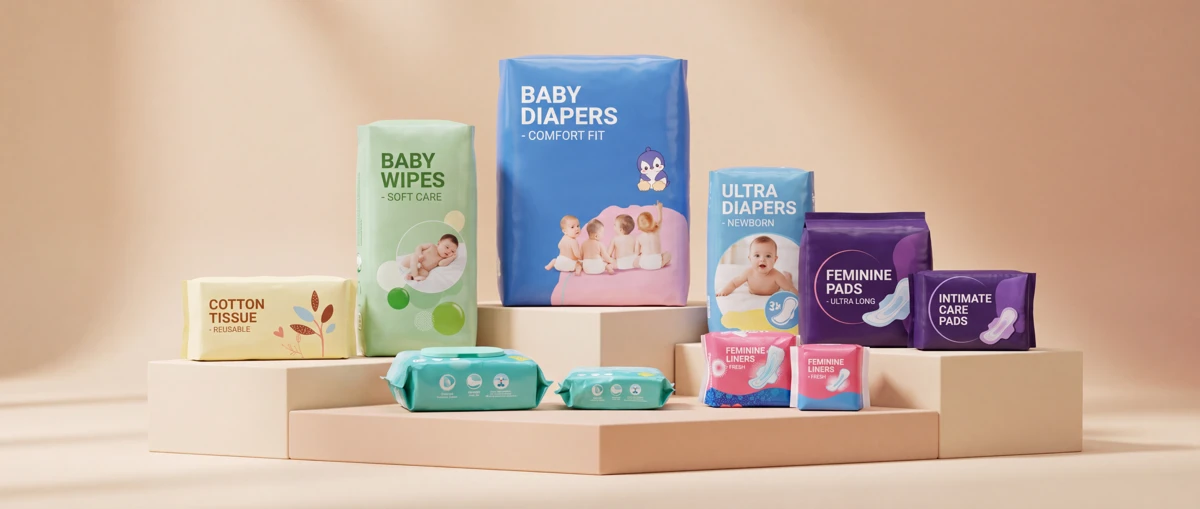
Absorbency and comfort come from the complete material system, not from one ingredient. SAP and fluff pulp store liquid, the acquisition and distribution layers move it away from the surface, nonwoven fabrics influence skin feel, and breathable films, elastics and leak guards affect airflow and fit.
1. SAP and fluff pulp form the absorbent core
Superabsorbent polymer (SAP)captures and retains liquid, whilefluff pulphelps distribute liquid through the core and supports its structure. The correct ratio depends on product thickness, target absorbency, acquisition speed and cost requirements. Simply adding more SAP can reduce core flexibility or slow distribution if the whole structure is not properly designed.
2. Acquisition and distribution layers affect speed
The acquisition distribution layer, often called the ADL, receives liquid from the topsheet and spreads it across a wider area of the absorbent core. A suitable ADL can reduce local saturation, improve acquisition speed and help keep the surface drier during repeated use.

3. Nonwoven fabrics shape the skin-contact experience
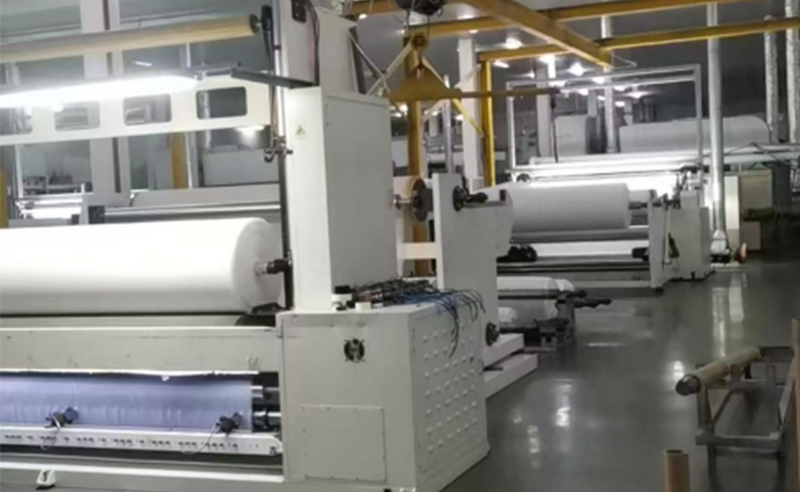
The topsheet is one of the first materials a user notices. Fiber selection, basis weight, softness, hydrophilic treatment and surface pattern can influence liquid passage and tactile comfort. Air-through, spunbond and other nonwoven structures are selected according to the intended product and market position.
For baby diapers, feminine care and adult incontinence products, the material must balance softness with sufficient strength and process stability.
4. Breathable films and elastics support comfort and fit
A breathable backsheet helps manage moisture vapor while maintaining a liquid barrier. Elastic waistbands, leg elastics, side ears, frontal tapes and fastening components keep the product close to the body. Poor fit can undermine an otherwise strong absorbent core by creating leakage paths.
5. Evaluate the system, not an isolated specification
Material specifications should be reviewed together with finished-product testing. Acquisition, rewet, leakage, tensile strength, breathability and fit can change when materials interact on a production line. Goooing connects raw material sourcing, product R&D, manufacturing and quality control so buyers can evaluate both individual materials and finished-product performance through one coordinated route.
Preguntas frecuentes
Which material provides most of a diaper’s absorbency?
SAP provides high liquid retention, while fluff pulp supports distribution and core structure. Their balance and the surrounding layers determine actual performance.
What makes a hygiene product feel dry?
Fast passage through the topsheet, effective acquisition and distribution, stable liquid retention and low rewet all contribute to a drier surface.
Does a thinner core mean lower absorbency?
No. A well-designed thin core can still provide strong absorbency, but its liquid distribution, integrity and rewet performance must be verified.
Can Goooing supply both raw materials and finished products?
Yes. Goooing supports hygiene raw material sourcing as well as finished-product manufacturing and OEM or ODM coordination.